Loading...
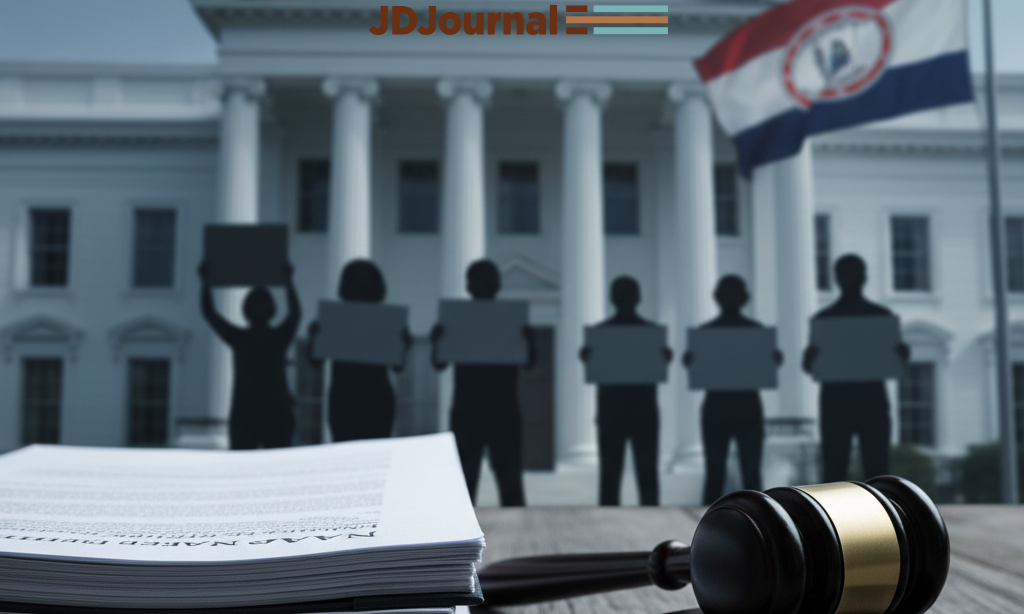
The NAACP and the Advancement Project have filed a federal lawsuit against Virginia election officials, accusing them of implementing voter registration rules that unlawfully disenfranchise college students—particularly those attending historically Black colleges and universities (HBCUs). The civil rights groups claim the state’s election authorities have rejected student voter registration applications for lacking unnecessary details such as dormitory names, room numbers, or campus mailbox addresses—requirements that are not explicitly listed on Virginia’s own registration forms.
The lawsuit, filed in the U.S. District Court for the Eastern District of Virginia, alleges that these practices violate both federal and constitutional protections designed to safeguard the right to vote. Specifically, the plaintiffs argue that the actions of Virginia officials infringe on the “materiality provision” of the Civil Rights Act of 1964, which prohibits election officials from denying registration or ballots due to minor omissions or errors that are not material to determining a person’s eligibility.
Targeting Student Voters
The NAACP contends that the rejected applications primarily affect students who live in on-campus housing at several Virginia universities, including Norfolk State University, Hampton University, and Virginia State University—all of which are HBCUs. By imposing unnecessary address requirements, the organization claims the state is deliberately erecting barriers that make it more difficult for young and minority voters to register and cast ballots.
According to the lawsuit, the Virginia Department of Elections has been enforcing these standards inconsistently across different jurisdictions, causing confusion and frustration among students attempting to register. Some local registrars, the plaintiffs allege, have gone as far as instructing students that they must reapply or change their registration information if they live on campus—discouraging participation and adding unnecessary administrative burdens.
Legal Grounds and Broader Implications
The lawsuit accuses the state of violating not only the Civil Rights Act but also the First and Fourteenth Amendments to the U.S. Constitution, which protect citizens from unequal treatment and ensure due process. The plaintiffs argue that the state’s voter registration practices create a chilling effect on student engagement, particularly among Black students and first-time voters.
The NAACP’s legal team has requested immediate relief from the court, including an injunction requiring Virginia officials to process student voter applications without demanding unnecessary address details. The plaintiffs also seek to compel the state to notify all affected students whose applications were previously rejected and allow them to correct or confirm their registrations in time for upcoming elections.

Get JD Journal in Your Mail
Subscribe to our FREE daily news alerts and get the latest updates on the most happening events in the legal, business, and celebrity world. You also get your daily dose of humor and entertainment!!
A Broader Pattern of Voter Suppression Claims
This lawsuit is part of a wider campaign by civil rights groups to challenge what they describe as a resurgence of voter suppression tactics across the United States. In recent years, the NAACP has filed similar suits in Texas, Missouri, and Georgia—states where new voting rules, redistricting maps, or administrative hurdles have been accused of disproportionately affecting minority voters.
Voting rights advocates argue that young voters—especially those attending college out of state—face unique challenges when registering. Many students move frequently between campus and home addresses, and strict address rules can result in confusion or duplicate records that lead to disqualification. The plaintiffs note that Virginia’s approach stands in contrast to best practices recommended by federal voting authorities, which urge states to accommodate the mobility of student voters rather than penalize it.

Political Timing and Potential Consequences
The timing of the lawsuit is particularly significant. Virginia is entering a key election season, with races for governor, lieutenant governor, and members of the state legislature drawing national attention. High turnout among student and minority voters could play a decisive role in several competitive districts. Legal experts suggest that the case could have implications beyond Virginia, potentially influencing how other states treat student voters under the Civil Rights Act’s materiality clause.
If successful, the lawsuit could force Virginia to revise its voter registration procedures and establish clearer guidance for local election officials. It could also reinforce protections for student voters nationwide, setting a precedent that arbitrary or inconsistent address requirements cannot be used to block registration.
State Officials Yet to Respond
As of publication, the Virginia Department of Elections has not issued a formal response to the allegations. Representatives for the agency have declined to comment, citing the pending litigation. State officials are expected to file their response in court within the coming weeks.
In the meantime, voting rights organizations are urging students across Virginia to check their registration status and ensure their information is up to date ahead of the next election. Many advocacy groups have launched campaigns on college campuses to educate students about their rights and help them navigate the registration process.
A Continuing Fight for Equal Access to the Ballot
For the NAACP, the case underscores its ongoing mission to combat modern barriers to voting. While traditional forms of voter suppression—such as literacy tests or poll taxes—have long been outlawed, civil rights advocates warn that administrative rejections and inconsistent enforcement of election rules represent a new generation of challenges.
If cases like this inspire you to pursue a career in civil rights or election law, now is the perfect time to take the next step. LawCrossing connects passionate legal professionals and law students with thousands of opportunities in public interest law, government service, and private practice.
👉 Start your legal career with purpose — explore exclusive jobs and internships today at LawCrossing.com.