Loading...
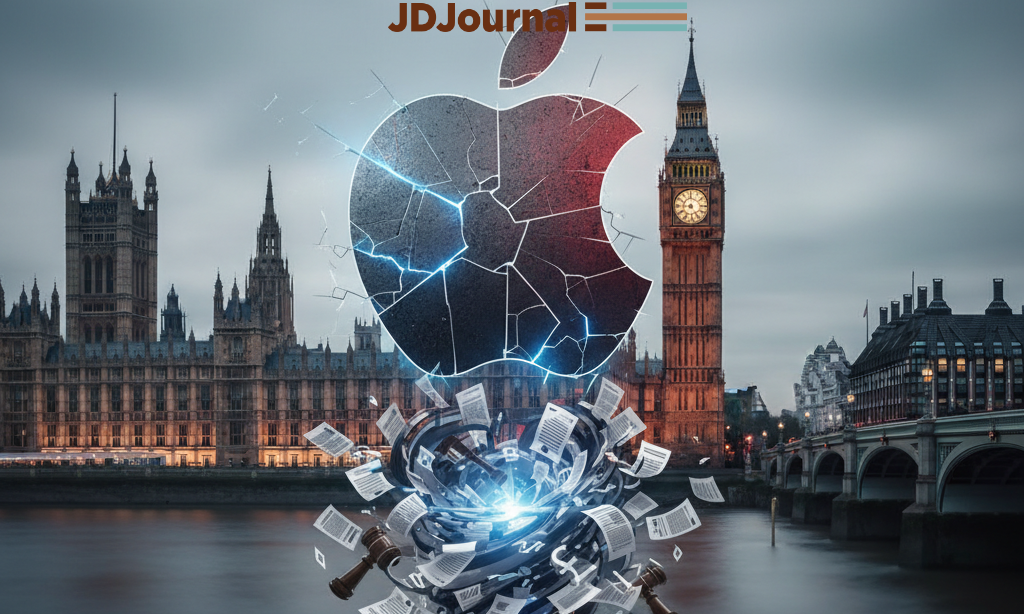
Apple Inc. has suffered a major legal setback in the United Kingdom after the Competition Appeal Tribunal (CAT) ruled on October 23, 2025, that the company abused its dominant market position by imposing unfair and excessive commissions on developers using its App Store. The ruling has been described as a landmark decision in the UK and is being closely watched by regulators, app developers, and tech industry observers worldwide.
The tribunal concluded that Apple’s standard commission rate of approximately 30%—applied from October 2015 through the end of 2020—constituted an abuse of market dominance. These fees were found to have inflated prices for consumers, effectively costing millions of iPhone and iPad users in the UK more than they would have paid in a competitive market. The judgment represents one of the most significant challenges yet to Apple’s App Store practices, which have long been criticized for limiting competition and controlling access to one of the world’s largest mobile software marketplaces.
The case originated from a claim brought by Rachael Kent, an academic and App Store developer, who argued that Apple’s practices led to “exorbitant profits” by systematically excluding competition in the app distribution sector. Kent’s lawsuit was filed under the UK’s class action-style legal framework, which allows a representative claimant to bring forward claims on behalf of a broader group of affected individuals. This case is the first of its kind to target Apple’s App Store fees in the UK and is valued at approximately £1.5 billion, or roughly $2 billion.
The tribunal’s decision is particularly notable for its potential ripple effects on both Apple and the broader tech industry. The court found that Apple’s conduct had significantly hindered competition by making it prohibitively expensive for developers to bypass the App Store or offer their apps through alternative platforms. This, in turn, limited consumer choice and kept app prices artificially high. While the ruling does not immediately impose a financial penalty, a hearing scheduled for next month will determine the exact amount of damages Apple may be required to pay. That hearing will also consider whether Apple will be permitted to appeal the ruling.
Apple has responded to the decision by expressing its intent to challenge the ruling in court. In a statement, the company argued that the tribunal’s findings misrepresent the competitive nature of the app economy and fail to acknowledge the value that the App Store provides to both developers and users. Apple maintains that the App Store has created a safe and secure environment for app distribution, and that its commission structure is consistent with the costs associated with running such a platform.
Despite Apple’s planned appeal, the ruling reflects a broader regulatory shift against major technology companies. Globally, Apple has faced growing scrutiny over its App Store policies. In the United States, the company has been the subject of multiple antitrust investigations and lawsuits, while European regulators have raised concerns over restrictive terms and conditions that govern how developers can distribute apps and in-app content. The UK decision adds to this mounting pressure, signaling that courts and regulators are increasingly willing to hold tech giants accountable for practices that may stifle competition.

Get JD Journal in Your Mail
Subscribe to our FREE daily news alerts and get the latest updates on the most happening events in the legal, business, and celebrity world. You also get your daily dose of humor and entertainment!!
Industry analysts have noted that the outcome of this case could have wide-reaching implications beyond the UK. Similar lawsuits or regulatory actions could be pursued in other markets, including Europe, Asia, and North America, potentially reshaping how digital marketplaces operate. Developers may gain leverage to negotiate lower commissions or seek alternative distribution channels, which could ultimately benefit consumers through reduced app prices or expanded access to innovative products.
Legal experts also highlight the significance of the case in establishing precedent. By recognizing that high, fixed commissions can constitute an abuse of market dominance, the tribunal’s ruling may encourage other claimants to pursue similar claims against large tech companies. This could mark a turning point in the ongoing global debate over the power of digital platforms and the balance between innovation, consumer protection, and competitive fairness.

For Apple, the financial implications could be substantial. While the precise damages are yet to be determined, the £1.5 billion figure proposed by Kent underscores the potential cost to the company if the tribunal rules against it in the upcoming hearing. Beyond monetary penalties, Apple may face additional legal and regulatory constraints on how it manages its App Store commissions, which could lead to structural changes in its business model and revenue streams.
This landmark ruling comes at a time when public scrutiny of Big Tech is at an all-time high. Lawmakers, regulators, and advocacy groups are increasingly focused on the ways in which major technology platforms influence market dynamics, consumer choice, and innovation. The UK tribunal’s decision represents one of the most concrete steps yet in holding a tech giant accountable for practices that are perceived as limiting competition and inflating costs for users.
As the case moves forward, industry observers will closely monitor Apple’s next steps, including its appeal strategy and potential negotiations with developers. The outcome may set a precedent not only for Apple but for the entire digital marketplace ecosystem, influencing policy, litigation, and corporate strategy for years to come.
Apple’s UK App Store ruling is more than just a single case; it is a bellwether for how courts around the world may handle antitrust claims against major technology companies. As digital platforms continue to dominate global commerce, the balance between innovation, competition, and consumer protection remains a critical issue—one that is now being tested in courtrooms with significant stakes for both industry leaders and everyday users.
Stay updated on the latest legal developments affecting the tech industry. Visit LawCrossing to explore news, career opportunities, and insights for legal professionals navigating complex technology and antitrust law cases.