Loading...
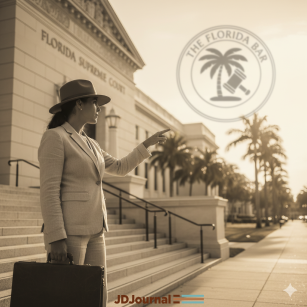
Florida attorney Daniel Uhlfelder has filed a bold challenge against the Florida Bar, accusing its ethics prosecutors of misconduct and suppression of key information during disciplinary proceedings. The motion, filed in state circuit court, alleges that Bar attorneys failed to disclose that two government witnesses who testified against Uhlfelder were themselves the subjects of ethics investigations that were quietly resolved.
According to Uhlfelder, the Florida Bar’s handling of these matters represents a serious breach of transparency and fairness in the state’s attorney disciplinary system—an issue that could have far-reaching implications for the way professional misconduct cases are managed in Florida.
Claims of Concealment and Procedural Misconduct
Uhlfelder’s motion centers on two witnesses: Marie Mattox and Gautier Kitchen. Both individuals reportedly faced ethics complaints during the same period in which they were involved in proceedings against Uhlfelder. The motion claims that Bar prosecutors were aware of these investigations but failed to disclose them in a timely manner, effectively concealing information that could have impacted the credibility of their testimony.
In legal and disciplinary contexts, the credibility of witnesses—especially those who testify about alleged ethical violations—is often crucial. Uhlfelder asserts that the Bar’s failure to inform him or the tribunal of these ongoing investigations deprived him of the opportunity to challenge or cross-examine the witnesses effectively.
Quiet Resolutions and Lack of Transparency
The motion further alleges that once the witnesses’ own ethics issues were resolved, the outcomes were not made publicly known in a timely manner. According to Uhlfelder, this selective disclosure raises significant questions about whether the Bar applied its disciplinary standards equally—or strategically shielded its witnesses to preserve their credibility in the ongoing case against him.
While details remain limited, both Mattox and Kitchen were reportedly involved in separate professional conduct inquiries. Their cases were ultimately resolved through what Uhlfelder’s motion describes as “quiet administrative measures,” a characterization suggesting that any sanctions were either minor or kept from public notice.

Get JD Journal in Your Mail
Subscribe to our FREE daily news alerts and get the latest updates on the most happening events in the legal, business, and celebrity world. You also get your daily dose of humor and entertainment!!
Bar’s Silence and Broader Implications
The Florida Bar has not commented publicly on the allegations, citing confidentiality rules governing disciplinary proceedings. However, the motion has drawn attention from legal professionals across the state who view it as a potential test of accountability within one of the nation’s most powerful legal regulatory bodies.
The Bar operates as both the investigator and prosecutor in attorney disciplinary matters. That dual role has prompted long-standing concerns about fairness and impartiality—concerns amplified when allegations arise that Bar officials might have withheld exculpatory or impeachment evidence.

“This type of claim touches on a fundamental due-process issue,” said a Tallahassee attorney familiar with disciplinary cases. “If prosecutors in the criminal justice system are required to disclose witness misconduct under Brady v. Maryland, there’s an argument that similar principles should apply in professional ethics cases. Fairness shouldn’t depend on the forum.”
The Larger Context: Disciplinary Oversight Under Scrutiny
Uhlfelder’s motion arrives at a time when legal disciplinary agencies nationwide are facing growing calls for greater transparency. In several states, attorneys have argued that disciplinary boards often operate with little external oversight, leading to inconsistency and potential bias.
Legal ethics experts note that while bar regulators are empowered to uphold professional standards, they must also maintain scrupulous adherence to procedural fairness. Failure to disclose relevant information about witnesses or conflicts of interest can erode public confidence in the legal system’s ability to police itself.
“If the Bar suppresses information about its own witnesses’ ethical issues, it undermines its moral authority to regulate others,” said a professor of legal ethics at the University of Florida. “Discipline without transparency is discipline without legitimacy.”
Possible Outcomes and Next Steps
The Florida circuit court has yet to determine how it will handle Uhlfelder’s allegations. Potential outcomes could include an order requiring further disclosure by the Bar, a reopening of the disciplinary record, or a broader inquiry into the Bar’s procedures for managing witness disclosures.
If Uhlfelder’s claims are substantiated, the case could prompt reforms in how the Florida Bar—and perhaps other state bars—handle ethical conflicts among witnesses, prosecutors, and respondents. It could also set a precedent reinforcing attorneys’ rights to access all relevant information during disciplinary proceedings.
For now, the Bar’s silence leaves open questions about how much internal accountability exists within the system designed to maintain accountability for all Florida attorneys.
A Call for Ethical Accountability
While the case remains pending, Uhlfelder’s motion reflects a broader struggle within the legal profession: balancing the power of regulatory authorities with the rights of individual practitioners. The controversy underscores that even institutions tasked with enforcing ethical conduct must themselves be held to the highest ethical standards.
As scrutiny of professional discipline processes grows, many in the legal community are watching closely. Transparency, impartiality, and due process are not mere procedural formalities—they are the foundation of public trust in the rule of law.
Stay informed on the latest legal ethics cases and attorney discipline updates by visiting LawCrossing.com — the leading legal career resource for attorneys and law students seeking trusted insights, career tools, and exclusive job listings nationwide.