Loading...
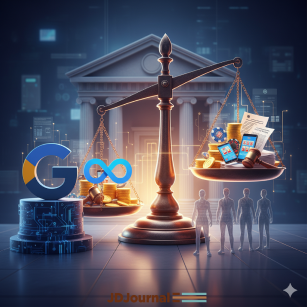
Tech giants Apple, Google, and Meta Platforms must defend themselves in federal court against lawsuits accusing them of facilitating illegal gambling through casino-style mobile applications. The ruling, issued by U.S. District Judge Edward Davila, allows the bulk of the consumer protection and racketeering claims to move forward, despite efforts by the companies to have the case dismissed.
The lawsuits allege that the companies did far more than simply provide a platform for these gambling-style apps. Instead, they are accused of actively profiting from user addiction by processing payments, collecting commissions, and promoting apps designed to mimic slot machines and casinos.
📱 Allegations of Addiction and Exploitation
At the heart of the case are casino-style games that look and feel like gambling but do not allow users to cash out winnings for money. Plaintiffs claim these apps nonetheless encourage compulsive spending, with users sinking hundreds or even thousands of dollars into virtual “chips” or credits.
According to the lawsuits, many players developed serious addictions, reporting emotional distress, financial hardship, depression, and even suicidal ideation. The plaintiffs contend that the companies were aware of these dangers yet continued to profit by collecting up to 30% in commissions on in-app purchases.
Combined, the alleged revenue from these transactions surpasses $2 billion, raising the stakes of the litigation not just for the companies involved but for the broader app economy.
🛡️ Section 230 Defense Falls Short
Apple, Google, and Meta each argued that they were shielded by Section 230 of the Communications Decency Act, a law that generally protects online platforms from liability for third-party content.

Get JD Journal in Your Mail
Subscribe to our FREE daily news alerts and get the latest updates on the most happening events in the legal, business, and celebrity world. You also get your daily dose of humor and entertainment!!
Judge Davila, however, ruled that this defense does not fully apply when companies take on the role of financial intermediaries. By processing payments, facilitating transactions, and earning commissions, the platforms acted more like active participants than neutral publishers.
This interpretation of Section 230 is significant, as it narrows the scope of immunity tech platforms have relied on for decades. While the judge did dismiss certain claims brought under California’s consumer protection laws, he allowed other state and federal claims to proceed, giving plaintiffs a path forward.

📜 Appeals and Next Steps
Recognizing the importance of his ruling, Judge Davila granted permission for an immediate appeal to the 9th U.S. Circuit Court of Appeals. This means that even as parts of the lawsuit continue in his court, the companies can ask a higher court to review whether Section 230 should shield them from liability.
If the 9th Circuit upholds Davila’s interpretation, it could set a precedent that limits how far Section 230 protections extend, especially when platforms play an active role in monetization. On the other hand, a reversal could strengthen Big Tech’s defenses in future cases.
⚔️ Legal Stakes for Big Tech
The lawsuits accuse Apple, Google, and Meta of:
- Racketeering (RICO claims): Plaintiffs argue the companies effectively operated as part of a gambling enterprise by profiting from illegal activity.
- Consumer Protection Violations: Alleged deceptive business practices tied to how the apps were marketed and monetized.
- Unjust Enrichment: Claims that the companies unfairly benefited at the expense of vulnerable users.
If successful, plaintiffs could be awarded not only compensatory damages but also treble damages (triple damages) under federal racketeering laws. This could potentially translate into billions of dollars in liability for the platforms.
🔍 Broader Implications for the Industry
This litigation has the potential to reshape how app stores and social media platforms manage their ecosystems. Some key takeaways include:
- Redefining Platform Liability: The case could set a legal precedent that tech firms are not just “hosts” but active participants when they facilitate payments and take commissions.
- Increased Scrutiny of Gambling Mechanics: Casino-style games, even those without cash-out options, may face greater regulation and oversight if courts recognize them as harmful.
- Consumer Protection Expansion: Plaintiffs’ success could embolden regulators and private litigants to pursue more aggressive actions against digital platforms.
- Financial Exposure: Given the alleged billions in revenue tied to these apps, the financial consequences for Apple, Google, and Meta could be enormous.
🧠 Why This Case Matters
For the legal community, Judge Davila’s ruling represents an important test of the boundaries of Section 230 immunity, an issue already under scrutiny in courts and legislatures nationwide. If platforms can be held accountable for their role in facilitating and profiting from harmful apps, it could mark a turning point in how liability is assigned in the digital economy.
For consumers, especially vulnerable users affected by gambling mechanics, the lawsuits reflect growing efforts to demand accountability from tech companies whose platforms dominate daily life.
And for law firms, the case highlights the lucrative and evolving market for class actions against major tech firms, particularly in areas where regulation is still catching up to technology.
📌 Conclusion
Apple, Google, and Meta may have hoped to escape liability with traditional defenses, but Judge Davila’s ruling ensures that their role in casino-style apps will be closely examined in court. Whether the companies ultimately prevail on appeal or face a costly reckoning remains to be seen.
What is clear is that the decision puts Big Tech on notice: when platforms cross from hosting content into profiting directly from controversial or harmful activities, courts may no longer accept Section 230 as a shield.
This case will not only shape the future of gambling apps but could also influence the broader debate over platform responsibility in the digital age.
💼 Looking to build your legal career in an evolving industry? Stay ahead of the curve by exploring thousands of exclusive legal job opportunities on LawCrossing. Whether you’re seeking BigLaw, boutique, or in-house roles, LawCrossing is your gateway to the next step in your career.
👉 Don’t just follow the headlines—secure your future today with LawCrossing.