Loading...
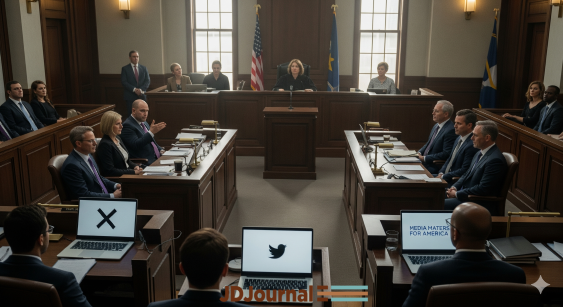
In a significant legal development for Elon Musk’s social media platform X, a federal judge in Texas has ruled that the company’s defamation lawsuit against nonprofit watchdog Media Matters for America can move forward in the Lone Star State. The decision allows Musk’s company to pursue its claims in a jurisdiction it considers favorable, despite Media Matters’ attempt to transfer the case to California.
Chief U.S. District Judge Reed O’Connor, who presides in Fort Worth, denied Media Matters’ motion to dismiss or relocate the case, saying the watchdog group had not shown that a transfer was justified. The ruling represents a key procedural victory for X, which has been engaged in a public and legal battle with Media Matters since late 2023.
Background of the Dispute
The conflict began when Media Matters published a report accusing X of placing ads from major companies next to extremist and hate-filled content, including neo-Nazi material. The report sparked backlash among advertisers, several of whom paused spending on the platform. Musk and X responded by filing a lawsuit alleging defamation and claiming Media Matters deliberately manipulated the platform’s algorithm to create misleading screenshots that suggested brand ads appeared alongside offensive content.
Media Matters has firmly denied any wrongdoing, arguing that its reporting was accurate, newsworthy, and protected by the First Amendment. The organization described X’s lawsuit as an attempt to silence critical reporting through litigation — a tactic sometimes referred to as a Strategic Lawsuit Against Public Participation (SLAPP).
The Venue Fight
One of the first battles in the case was over where the lawsuit should be heard. Media Matters argued that the case had no connection to Texas when it was filed, noting that X was still headquartered in San Francisco at the time and Media Matters is based in Washington, D.C. They urged the court to transfer the case to California, where a related countersuit is already pending.
However, X has since relocated its headquarters to Bastrop, Texas, as part of Musk’s larger move to shift more of his companies to the state, which he has praised for its business-friendly environment. X also updated its terms of service to require that certain legal disputes be litigated in the Northern District of Texas, an area where conservative litigants have seen success in recent years on politically sensitive matters.

Get JD Journal in Your Mail
Subscribe to our FREE daily news alerts and get the latest updates on the most happening events in the legal, business, and celebrity world. You also get your daily dose of humor and entertainment!!
Judge O’Connor’s ruling highlighted that X’s presence in Texas and its updated contractual terms were enough to justify keeping the case in Fort Worth. “Defendant has not met its burden to show that transfer is warranted,” O’Connor wrote in his order, allowing the case to proceed in Texas federal court.
Appeals Court Involvement
This was not the first time the venue issue had been litigated. In July, a federal appeals court directed Judge O’Connor to provide a more detailed analysis before deciding whether the case should remain in Texas. The latest ruling complies with that directive and represents a clear win for X at this stage of the litigation.

Media Matters’ Countersuit
Meanwhile, Media Matters filed its own lawsuit against X in California earlier this year, accusing Musk and his company of engaging in “libel tourism” — a term used to describe seeking out courts that may be more sympathetic to plaintiffs — as part of a broader campaign to intimidate journalists and advocacy groups. That case remains pending and could complicate the litigation by creating parallel proceedings in two states.
Implications for Media and Tech
The case has drawn attention from legal scholars, tech industry observers, and media rights advocates, many of whom see it as a high-profile clash between a powerful tech billionaire and a nonprofit watchdog group. Free speech advocates warn that allowing cases like this to proceed could have a chilling effect on investigative journalism and watchdog reporting, especially when lawsuits are filed in jurisdictions perceived as plaintiff-friendly.
On the other hand, X and its supporters argue that media organizations should be held accountable for what they see as reckless or manipulative reporting that can damage reputations and drive away advertisers. The case also raises broader questions about content moderation, algorithm transparency, and the role of advocacy groups in holding tech platforms accountable.
What Happens Next
With the venue fight resolved for now, the case will proceed to discovery and pretrial motions in Texas. Media Matters could still seek appellate review of Judge O’Connor’s decision, but absent a reversal, both sides will now prepare to litigate the merits of the defamation claims.
The outcome of this case could set important precedent for how courts handle disputes between tech platforms and media watchdogs, particularly in the age of algorithm-driven content feeds. If X succeeds, it may embolden other companies to take a more aggressive legal stance against critical reporting. If Media Matters prevails, it could reaffirm protections for advocacy groups and journalists who investigate powerful corporations.
For now, all eyes remain on Texas as this closely watched case moves forward.
💼 Looking for Your Next Legal Career Move?
Cases like X Corp v. Media Matters remind us how quickly the legal landscape is evolving — and how essential skilled attorneys are in shaping the future of free speech and media law. Whether you’re passionate about litigation, media defense, or tech law, opportunities are out there waiting for you.
🔎 Visit LawCrossing today to explore thousands of legal jobs across the country — from BigLaw to boutique firms — and find the position that matches your skills and career goals.