Loading...
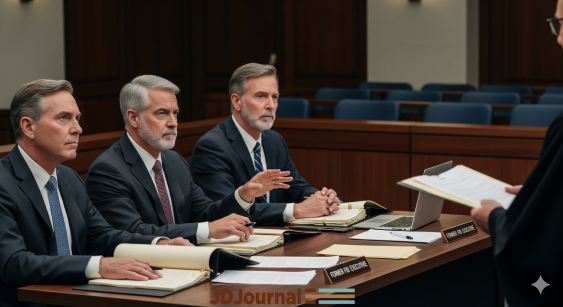
Three high-ranking former FBI officials have filed a federal lawsuit alleging they were fired not for misconduct or poor performance, but because they refused to demonstrate unwavering loyalty to then-President Donald Trump. The lawsuit, filed in September 2025, paints a troubling picture of a politically motivated purge within the FBI and raises major questions about the independence of federal law enforcement.
The plaintiffs—Brian Driscoll, Steve Jensen, and Spencer Evans—held some of the bureau’s most influential positions before their dismissals. Driscoll briefly served as acting director of the FBI earlier in 2025, Jensen led the Washington field office, and Evans was the bureau’s top official in Las Vegas. Their lawsuit claims they were removed “without cause” and replaced with individuals perceived to be more politically aligned with the Trump administration.
Loyalty Tests and Political Vetting
According to the complaint, Driscoll underwent a “loyalty screening” before he was appointed acting FBI director. Transition team members allegedly asked him pointed political questions, including when he began supporting Trump and whether he had voted for Democrats in prior elections. Driscoll declined to answer, arguing such questions were inappropriate and irrelevant to his qualifications.
The lawsuit names Paul Ingrassia, a transition aide who was later nominated to lead the Office of Special Counsel, as a key figure in the vetting process. Ingrassia allegedly reported that Driscoll was not “based out” enough—a phrase Driscoll interpreted as a signal that he was not sufficiently aligned with the administration’s ideological goals. Emil Bove, a former federal prosecutor who later took a senior role in the Justice Department, reportedly vouched for Driscoll, allowing him to temporarily lead the FBI until Senate-confirmed officials were installed.
Alleged Pressure to Purge Investigative Personnel
The lawsuit claims that FBI Director Kash Patel, a Trump ally, personally informed Driscoll that he was expected to remove any employees who had participated in criminal investigations involving Trump. Patel allegedly told Driscoll that his own position as director depended on carrying out these firings.
Driscoll states he resisted requests to compile lists of agents from certain field offices—particularly those involved in the January 6, 2021, Capitol riot investigations—who could then be targeted for dismissal. His refusal reportedly led to accusations of insubordination.

Get JD Journal in Your Mail
Subscribe to our FREE daily news alerts and get the latest updates on the most happening events in the legal, business, and celebrity world. You also get your daily dose of humor and entertainment!!
The complaint further alleges that Stephen Miller, a senior White House adviser, pressured Justice Department officials to carry out similar purges across the department. The plaintiffs argue this was part of a broader “retribution campaign” designed to punish government employees connected to Trump-related probes.
Pattern of Removals
The lawsuit claims that more than two dozen FBI employees have been removed or reassigned since Trump returned to the White House in January 2025. Many of those removed had roles in investigations tied to January 6 or other politically sensitive matters.

The plaintiffs say these actions were not isolated incidents but part of a coordinated effort that extended beyond the FBI to federal prosecutors, national security officials, and other career civil servants. Such moves, they argue, undermine the long-standing norm that law enforcement agencies should remain independent of partisan influence.
Specific Incidents
One key moment detailed in the lawsuit occurred on Inauguration Day, January 20, 2025, when Driscoll was handed a memorandum naming him acting director of the FBI. The lawsuit claims the designation was mistakenly issued but never corrected by the White House—leaving Driscoll in an awkward position of authority until permanent leadership was confirmed.
When Driscoll expressed concern over internal requests to identify agents tied to Trump investigations, senior officials allegedly acknowledged that the goal was to intimidate staff. According to the lawsuit, one official told employees that “anxiety was the intent,” confirming that the purpose of the purge was to create fear and ensure compliance.
Legal and Constitutional Stakes
The case highlights a significant gap in employment protections for FBI personnel. The FBI Agents Association, which represents the bureau’s special agents, has stated that many agents lack the right to appeal adverse personnel decisions to the Merit Systems Protection Board—a right that most other federal employees possess.
The plaintiffs’ lawyers argue that their dismissals violated civil service protections and potentially the Constitution by conditioning their employment on political loyalty rather than merit. If successful, the lawsuit could prompt Congress to expand statutory protections for FBI employees and clarify the limits of political interference in federal law enforcement.
Official Silence
As of the filing date, the FBI declined to comment on the pending litigation, and the White House has not issued a statement regarding the allegations. Legal analysts suggest the case could take months, if not years, to resolve, but its outcome may have profound implications for the balance of power between the executive branch and independent law enforcement agencies.
Why This Case Matters
This lawsuit is more than an employment dispute—it is a test of whether federal law enforcement can remain politically neutral in a polarized era. The plaintiffs warn that if such purges go unchecked, future presidents could reshape investigative agencies to serve partisan ends, threatening the rule of law.
For lawyers, policymakers, and scholars, this case could become a landmark in defining the boundaries between lawful personnel management and unlawful political retaliation. As the lawsuit progresses, it will likely attract close scrutiny from Congress, watchdog organizations, and constitutional law experts concerned about preserving the independence of federal investigative bodies.
Looking for Your Next Legal Career Move?
Cases like this show how quickly the legal and political landscape can shift — and why it’s crucial to stay ahead of career changes. Explore thousands of legal jobs nationwide on LawCrossing, the most comprehensive legal job board. Whether you’re an attorney, law student, or legal professional, find your next opportunity today.